Salt is in almost everything we eat. Most of it arrives quietly, long before the salt shaker comes out. Cutting back can feel hard at first because food may taste flat. The good news is that the habit can change with a few small steps.
This guide covers how much salt adults are advised to have and where it hides. It also looks at reading food labels and adding flavour in other ways. The details come from Healthdirect Australia and the Victorian Better Health Channel. It is general information only.
How much salt do adults need?
Healthdirect says adults should have less than 2,000 mg of sodium a day. That is about 5 g of salt, or roughly one teaspoon. It also gives a healthy range of 460 mg to 920 mg of sodium per day. In salt terms, that range works out to about 1.15 g to 2.3 g.
Most of us eat a lot more than that. The Better Health Channel says the average Australian eats almost double the sodium they need for good health. Children have lower amounts again, and the figures rise with age. A doctor or dietitian can explain what suits your family.
Why too much salt matters
Healthdirect links too much salt with a higher risk of high blood pressure. High blood pressure can lead to heart disease, stroke, heart attack and chronic kidney disease. That is why salt comes up so often in heart health advice. Cutting back is one part of a wider picture of eating well.
Diet is only one of the everyday habits that affect long term health. Our post on how aerobic exercise could help prevent Alzheimer’s looks at regular movement and the brain. Other choices such as how much you drink count too. Our article on the benefits of staying sober covers that side of things.
Where the salt in your diet comes from
Most salt is not the salt you add yourself. The Better Health Channel says around 75 per cent comes from processed foods. Salt added at the table and in cooking makes up around 25 per cent. That means the biggest gains usually come from what you buy.
Healthdirect lists packaged meals, chips and salty snacks as common sources. Processed meats like ham, bacon and salami are on the list too. So are burgers, pizza and sauces or spreads such as soy sauce. Sweet biscuits can also be high in sodium because they contain sodium bicarbonate.
Bread and some breakfast cereals contain moderate amounts. The Better Health Channel calls bread a major source of sodium and suggests choosing reduced salt bread and cereals. If you like a fast start to the day, our ideas for quick breakfasts are a place to look for options. Check the label on any packaged item you use.
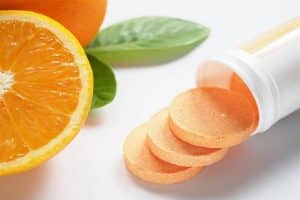
Some medicines and dietary supplements are high in sodium as well. Healthdirect suggests checking the packet or the Consumer Medicines Information leaflet. This is worth knowing if you take a daily supplement. Our post on choosing the best vitamin C gives general information on one popular option.
Reading the food label
The nutrition panel on packaged food shows sodium per serve and per 100 g. Healthdirect suggests using the per 100 g figure to compare products. That keeps the comparison fair when serving sizes differ. A quick look can show a big gap between two brands of the same food.
Healthdirect gives a simple guide of less than 400 mg of sodium per 100 g. Foods labelled “low salt” contain less than 120 mg per 100 g. You will also see “salt reduced” and “no added salt” on many packets. These are useful on items like canned vegetables, according to the Better Health Channel.
Labels show sodium and not salt, which can be confusing. Healthdirect explains that you multiply the sodium in milligrams by 2.5 and then divide by 1,000. The answer is the amount of salt in grams. For example, 100 mg of sodium is 0.25 g of salt.
Adding flavour without the salt shaker
Herbs and spices do a lot of the work. The Better Health Channel suggests parsley, oregano, thyme, dill or basil, fresh or dried. Garlic, chilli and a squeeze of lemon or lime juice add flavour too. Cooking your own meals more often also gives you more control.
Sea salt is not a lower sodium swap. The Better Health Channel notes it is still sodium chloride. Salt substitutes are another option people consider. Healthdirect says many combine sodium chloride with potassium chloride, which can raise potassium levels in the blood.
Healthdirect advises asking your doctor before using a substitute in some situations. These include having kidney disease or taking anti inflammatory medicines. Certain blood pressure medicines are also on the list. Your doctor can tell you if a substitute is suitable.
Giving your taste buds time
Food can taste bland when you first cut back. The Better Health Channel says taste buds adapt to lower salt levels in a matter of weeks. It suggests reducing salt gradually over several weeks. After that, the aim is to stop adding salt when cooking and at the table.
Eating out is part of the picture too. The Better Health Channel suggests asking for less salt when you dine out. It also suggests limiting fast food and takeaway, which are often high in salt. Small changes like these add up over a normal week.
A note on iodised salt
Iodised salt has iodine added to it. Healthdirect says iodine supports growth, metabolism and body temperature. It is especially important during pregnancy and breastfeeding for a baby’s brain and nervous system. Healthdirect also notes that all Australian commercial bread, except organic bread, is made with iodised salt.
For more detail, read the Healthdirect guide to salt and the Better Health Channel page on salt. Both explain the figures in plain language. Your doctor can refer you to a dietitian if you need help changing your diet.
Frequently asked questions
How much salt is too much for an adult?
Healthdirect says adults should have less than 2,000 mg of sodium a day. That is about 5 g of salt, or one teaspoon. Most of it comes from processed food and not the shaker.
Is sea salt healthier than table salt?
The Better Health Channel says sea salt is still sodium chloride. It is not a lower sodium substitute. Herbs, spices and citrus are better ways to add flavour.
What should I look for on a food label?
Check the sodium per 100 g on the nutrition panel. Healthdirect suggests choosing foods with less than 400 mg per 100 g. A “low salt” food has less than 120 mg per 100 g.
Will food always taste bland with less salt?
Not usually. The Better Health Channel says taste buds adapt to lower salt levels within a few weeks. Cutting back slowly makes the change easier.
This article is general information only and is not medical advice. Everyone’s health needs are different. Please speak with your doctor or a qualified health professional, such as a dietitian, before making changes to your diet.